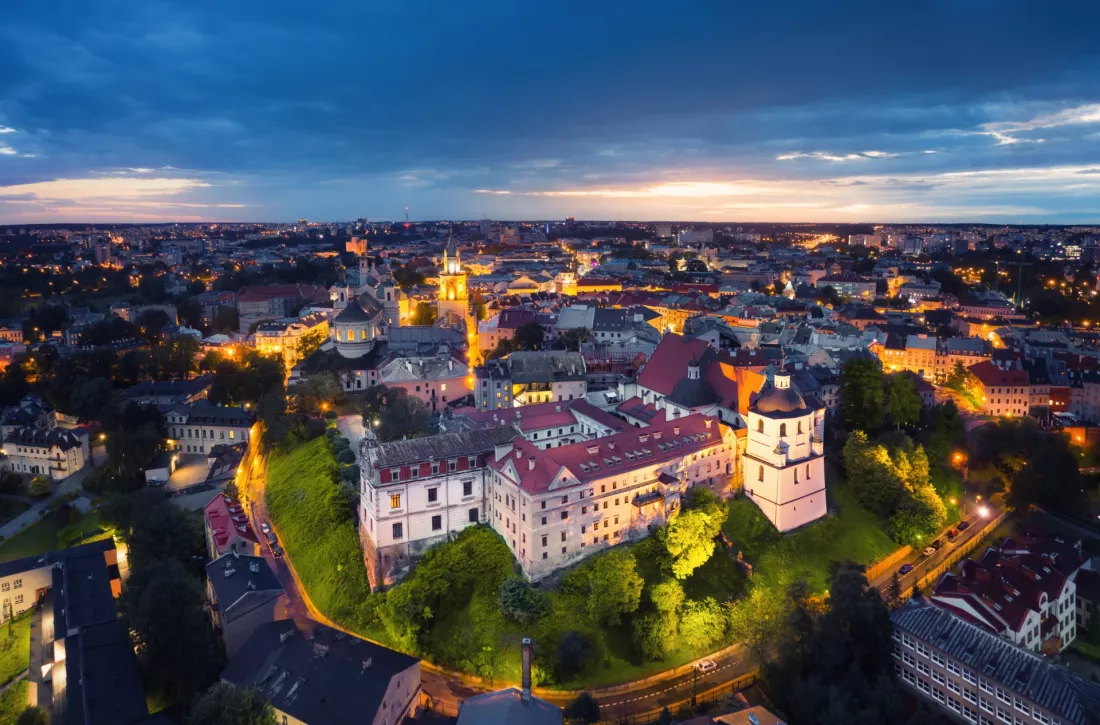
Lublin, Poland

Care and Education Pedagogy with School Mediation
(field of studies: Pedagogy)

Pedagogika opiekuńczo-wychowawcza z mediacją szkolną

Master's
Table of contents
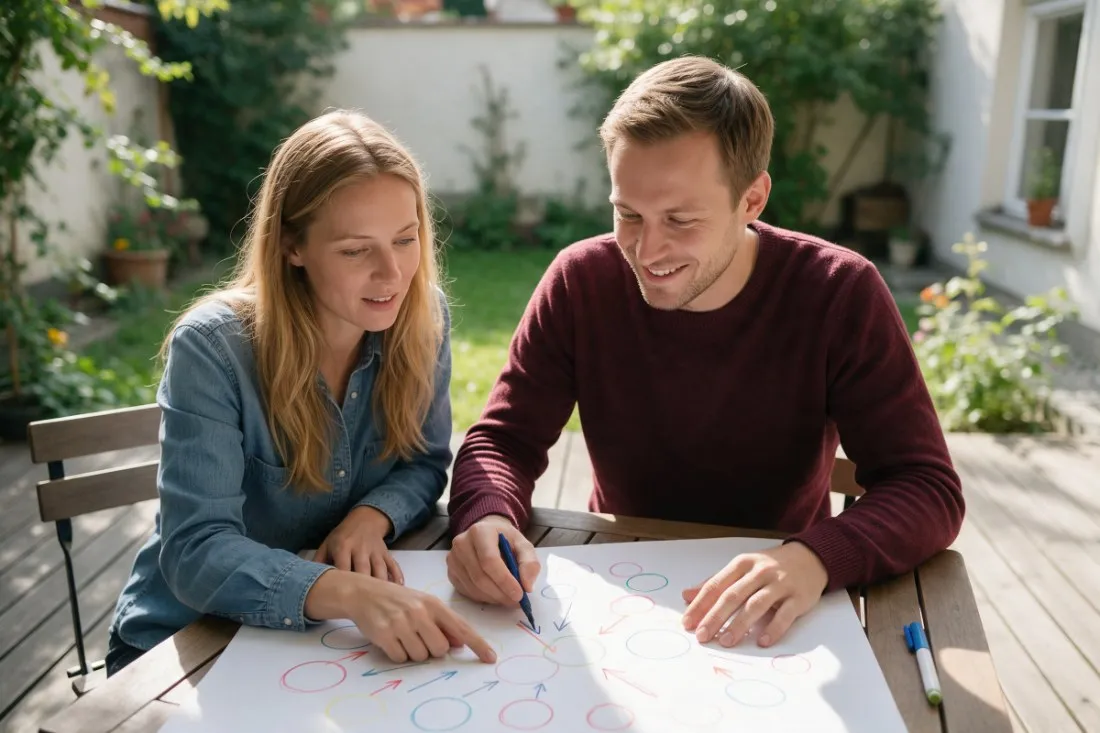
pedagodzy-planuja-mediacje-na-tarasie

⇑Care and Education Pedagogy with School Mediation at UMCS

Field of studies: Pedagogy
Language: PolishStudies in Polish
Subject area: teacher training and education science
Kind of studies: full-time studies, part-time studies
University website: www.umcs.pl/en

⇑Test: sprawdź czy Pedagogika opiekuńczo-wychowawcza z mediacją szkolną to kierunek dla Ciebie

mediatorzy-cwicza-rozmowe-przy-okraglym-stole

10 pytań · dwie minuty

1. Na praktykach w szkole dwie uczennice od tygodni się nie odzywają, a klasa podzieliła się na dwa obozy. Od czego zaczynasz?

2. Jaką postawę uważasz za najważniejszą u mediatora?

3. W trakcie mediacji jeden z uczniów zaczyna krzyczeć i obrażać drugiego. Co robisz?

4. Czym jest dla Ciebie parafraza w rozmowie mediacyjnej?

5. Dyrekcja chce wprowadzić w szkole mediacje rówieśnicze. Jak możesz pomóc?

6. Konflikt dotyczy ucznia i nauczyciela. Jaką rolę możesz odegrać?

7. Jak reagujesz na konflikty w swoim otoczeniu, na studiach albo w pracy?

8. Strony konfliktu doszły do porozumienia. Co dalej?

9. Rodzic jednego z uczniów domaga się ukarania drugiego dziecka zamiast mediacji. Jak z nim rozmawiasz?

10. Co najbardziej motywuje Cię do studiów magisterskich na kierunku Pedagogika opiekuńczo-wychowawcza z mediacją szkolną?

⇑Definitions and quotes

Education
Education is the process of facilitating learning, or the acquisition of knowledge, skills, values, beliefs, and habits. Educational methods include storytelling, discussion, teaching, training, and directed research. Education frequently takes place under the guidance of educators, but learners may also educate themselves. Education can take place in formal or informal settings and any experience that has a formative effect on the way one thinks, feels, or acts may be considered educational. The methodology of teaching is called pedagogy.
Mediation
Mediation is a dynamic, structured, interactive process where a neutral third party assists disputing parties in resolving conflict through the use of specialized communication and negotiation techniques. All participants in mediation are encouraged to actively participate in the process. Mediation is a "party-centered" process in that it is focused primarily upon the needs, rights, and interests of the parties. The mediator uses a wide variety of techniques to guide the process in a constructive direction and to help the parties find their optimal solution. A mediator is facilitative in that she/he manages the interaction between parties and facilitates open communication. Mediation is also evaluative in that the mediator analyzes issues and relevant norms ("reality-testing"), while refraining from providing prescriptive advice to the parties (e.g., "You should do... .").
Pedagogy
Pedagogy () is the discipline that deals with the theory and practice of teaching and how these influence student learning. Pedagogy informs teacher actions, judgments, and teaching strategies by taking into consideration theories of learning, understandings of students and their needs, and the backgrounds and interests of individual students. Pedagogy includes how the teacher interacts with students and the social and intellectual environment the teacher seeks to establish. Its aims may include furthering liberal education (the general development of human potential) to the narrower specifics of vocational education (the imparting and acquisition of specific skills).
Education
Man must develop his tendency towards the good.
Immanuel Kant, Thoughts on Education, #12
Education
It is provable both that the historical sequence was, in its main outlines, a necessary one; and that the causes which determined it apply to the child as to the race. ...as the mind of humanity placed in the midst of phenomena and striving to comprehend them has, after endless comparisons, speculations, experiments, and theories, reached its present knowledge of each subject by a specific route; it may rationally be inferred that the relationship between mind and phenomena is such as to prevent this knowledge from being reached by any other route; and that as each child's mind stands in this same relationship to phenomena, they can be accessible to it only through the same route. Hence in deciding upon the right method of education, an inquiry into the method of civilization will help to guide us.
Herbert Spencer, Education: Intellectual, Moral, and Physical (1861)
Education
What we need is to justify coercion, paternalistic control, blame, scolding, and punishment - all of which are less evident in trigonometry class than in a fourth grade learning long division.(...) I have argued that blame, scolding, and punishment in public schools - what I have called "the ordeal" - can be successfully defended. Students have a duty to learn, and can be held responsible for violating whatever rules, policies, or instructions are enforced to ensure that they do so.
Charles Howell - Syracuse University: Education, Punishment, and Responsibility

Contact:

Pl. Marii Curie-Sklodowskiej 5
20-031 Lublin
Department of Education
International Students Office
phone: (+48) 81 537 29 26
facebook International Student Office


StudentNews Group Websites for students and future students — in Poland since 2007, across Europe since 2014. Over 50 websites and millions of users a year (Google Analytics). Studies in Europe Universities in Europe Bachelor’s Master’s Doctorate MBA Study guide Work abroad Travel For partners Advertising and cooperation Reach (online report) Contact advertising@studentnews.eu © 2003–2026 Grupa StudentNews.pl sp. z o.o., Modlnica, Poland
Privacy Policy