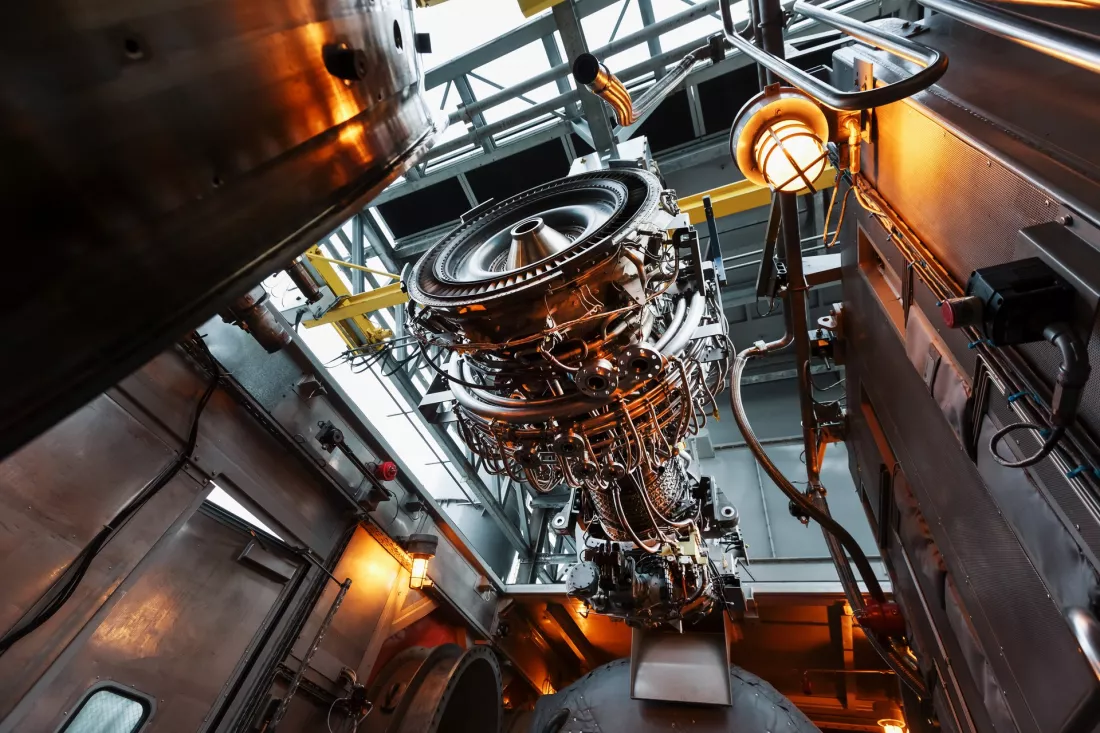
Construction
Construction is the process of constructing a building or infrastructure. Construction differs from manufacturing in that manufacturing typically involves mass production of similar items without a designated purchaser, while construction typically takes place on location for a known client. Construction as an industry comprises six to nine percent of the gross domestic product of developed countries. Construction starts with planning, design, and financing; it continues until the project is built and ready for use.
Plant
Plants are mainly multicellular, predominantly photosynthetic eukaryotes of the kingdom Plantae. They form the clade Viridiplantae (Latin for "green plants") that includes the flowering plants, conifers and other gymnosperms, ferns, clubmosses, hornworts, liverworts, mosses and the green algae, and excludes the red and brown algae. Historically, plants were treated as one of two kingdoms including all living things that were not animals, and all algae and fungi were treated as plants. However, all current definitions of Plantae exclude the fungi and some algae, as well as the prokaryotes (the archaea and bacteria).
Propulsion
Propulsion means to push forward or drive an object forward . The term is derived from two Latin words: pro, meaning before or forward; and pellere, meaning to drive. A propulsion system consists of a source of mechanical power, and a propulsor (means of converting this power into propulsive force).
Ship
A ship is a large watercraft that travels the world's oceans and other sufficiently deep waterways, carrying passengers or goods, or in support of specialized missions, such as defense, research and fishing. Historically, a "ship" was a sailing vessel with at least three square-rigged masts and a full bowsprit. Ships are generally distinguished from boats, based on size, shape, load capacity, and tradition.