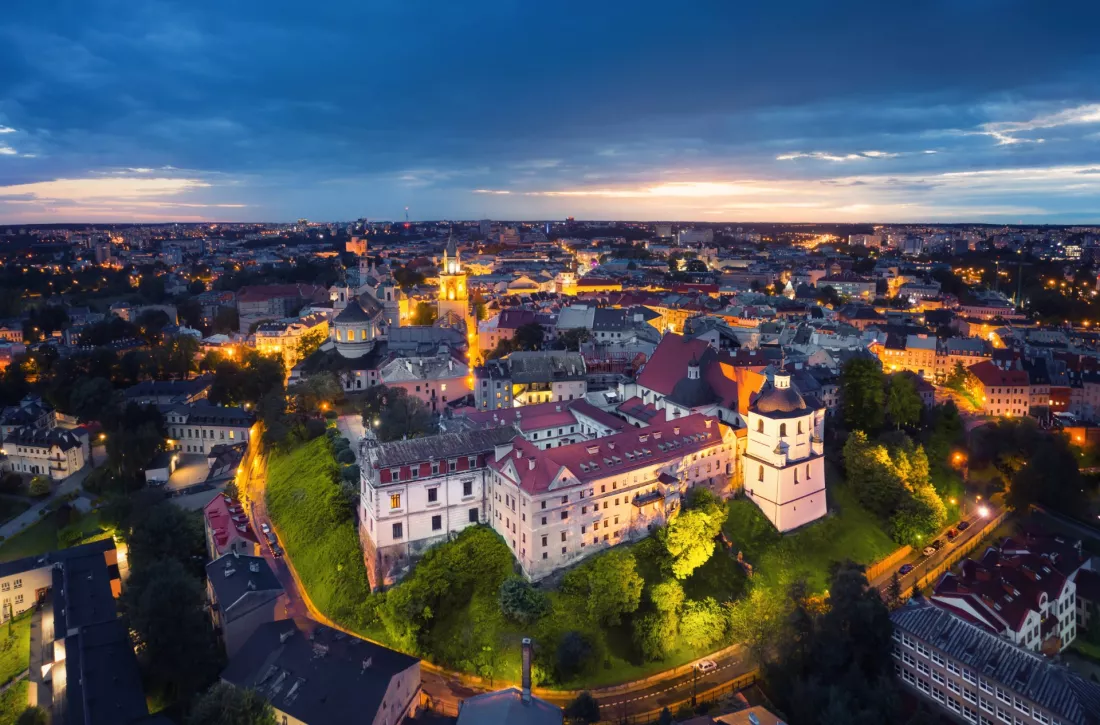
Cultural Heritage
Cultural heritage is the legacy of physical artifacts and intangible attributes of a group or society that are inherited from past generations, maintained in the present and preserved for the benefit of future generations. Cultural heritage includes tangible culture (such as buildings, monuments, landscapes, books, works of art, and artifacts), intangible culture (such as folklore, traditions, language, and knowledge), and natural heritage (including culturally significant landscapes, and biodiversity).
Knowledge
Knowledge is a familiarity, awareness, or understanding of someone or something, such as facts, information, descriptions, or skills, which is acquired through experience or education by perceiving, discovering, or learning.
Management
Management (or managing) is the administration of an organization, whether it is a business, a not-for-profit organization, or government body. Management includes the activities of setting the strategy of an organization and coordinating the efforts of its employees (or of volunteers) to accomplish its objectives through the application of available resources, such as financial, natural, technological, and human resources. The term "management" may also refer to those people who manage an organization.
Knowledge
Manners must adorn knowledge, and smooth its way through the world. Like a great rough diamond, it may do very well in a closet by way of curiosity, and also for its intrinsic value; but it will never be worn, nor shine, if it is not polished.
Philip Stanhope, 4th Earl of Chesterfield, Letters (July 1, 1748).
Management
Management of many is the same as management of few. It is a matter of organization.
Sun Tzu (c. 6th century BC) The Art of War
Management
You manage things, you lead people. We went overboard on management and forgot about leadership. It might help if we ran the MBAs out of Washington.
Grace Hopper (1987), quoted in "The Wit and Wisdom of Grace Hopper" by Philip Schieber, OCLC Newsletter, No. 167 (March/April 1987)