Częstochowa, Poland

Painting

Malarstwo

Master's
Table of contents
bird-is-shown-painting-with-word-bird-it

⇑Painting at UJD

Language: PolishStudies in Polish
Subject area: arts
Kind of studies: full-time studies
  • Description:

  • pl

⇑Test: Is Painting the right fit for you?

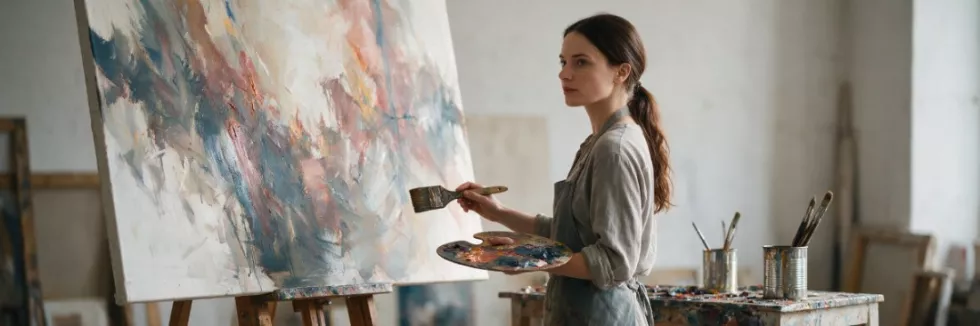
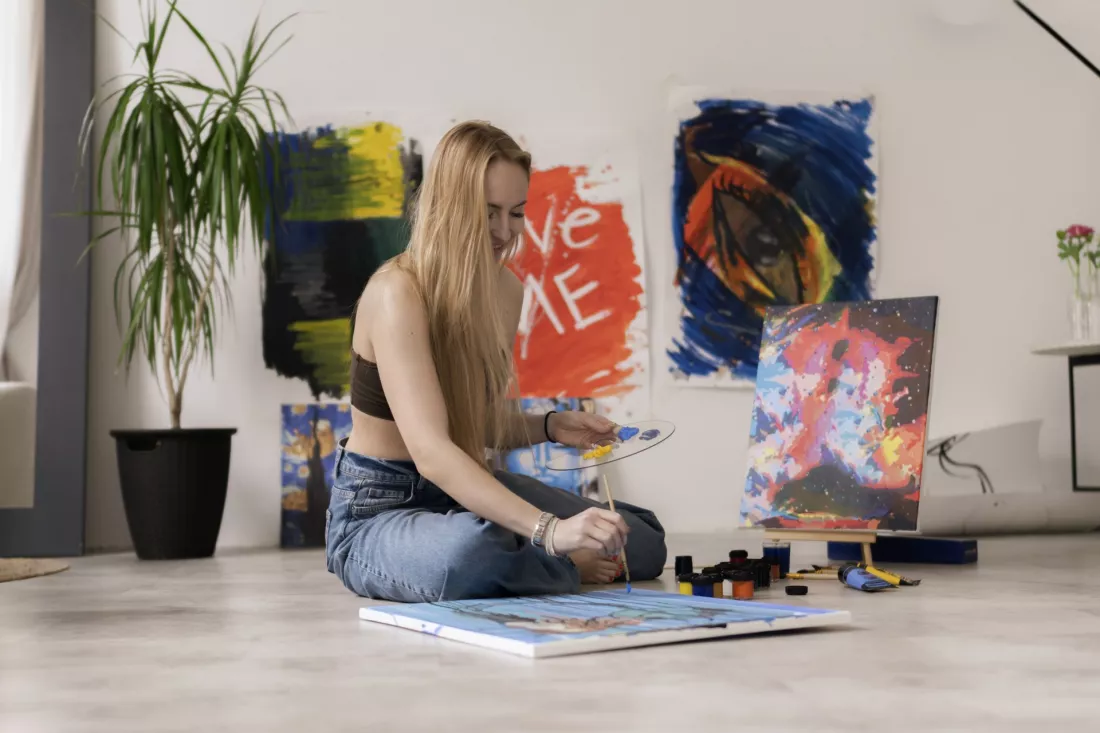
painter-working-on-a-large-abstract-canvas-in-a-studio

10 questions · two minutes

1. You’ve been working on a large canvas for weeks and it suddenly feels lifeless. What do you do?

2. How do you feel about developing a coherent body of work around one artistic question over many months?

3. During a studio critique, a tutor questions every decision in your painting in front of the group. How do you react?

4. How do you feel about experimenting with techniques such as egg tempera, oil glazes, encaustic or mixed media on unusual supports?

5. You need to write an artist’s statement and a theoretical commentary for your diploma work. How do you approach it?

6. The programme is taught in English, and you’ll share studios and critiques with artists from many countries. How do you feel about that?

7. A gallery invites you to prepare a solo exhibition. What excites you most?

8. How often do you study old masters and contemporary painters, in galleries or in books?

9. Which future path sounds most like you?

10. What motivates you most to pursue a Master’s degree in Painting?

⇑Definitions and quotes

Painting
Painting is the practice of applying paint, pigment, color or other medium to a solid surface (support base). The medium is commonly applied to the base with a brush, but other implements, such as knives, sponges, and airbrushes, can be used.
Painting
In the Seljuk period, figurative themes of Turco-Mongol character are some what apparent in all the minor arts in both Iran and Iraq. The true Persian miniature, however, which is indisputably the most perfect figurative art on the soil of Islam, did not come into the world until after the conquest of Iran by the Mongols, and more precisely under the rule of the Īl-Khāns (1256). It is modeled upon Chinese painting with its perfect blend of calligraphy and illustration...The link between writing and image remains fundamental to Persian miniatures, which, belongs, as a whole, to the art of books; all the famous miniaturists were calligraphers before becoming painters.
Titus Burckhard in: Art of Islam: Language and Meaning, World Wisdom, Inc, 2009, P.37
Painting
A portrait miniature is a miniature portrait painting, usually executed in gouache, water colour, or enamel. Portrait miniatures developed out of the techniques of the miniatures in illuminated manuscripts, and were popular among 16th-century elites, mainly in England and France, and spread across the rest of Europe from the middle of the 18th-century, remaining highly popular until the development of daguerreo types and photography in the mid-19th century. They were especially valuable in introducing people to each other over distances; a nobleman proposing the marriage of his daughter might send a courier with her portrait to visit potential suitors. Soldiers and sailors might carry miniatures of their loved ones while traveling, or a wife might keep one of her husband while he was away. The first miniaturists used water colour to paint on stretched vellum. During the second half of the 17th century, vitreous enamel painted on copper became increasingly popular, especially in France. In the 18th century, miniatures were painted with water colour on ivory, which had now become relatively cheap. As small in size as 40 mm × 30 mm, portrait miniatures were often used as personal w:Mementosmementos or as jewellery or snuff box covers.
George C. Williamson in: "The Work of Alyn Williams, P.R.M.S. (President of the Royal Society of Miniature Painters)" Pamphlet – January 1, 1920
Painting
Painting responded to the plague-darkened vision of the human condition provoked by repeated exposure to sudden, inexplicable death. Tuscan painters reacted against Giotto's serenity, preferring sterner, hieratic portrayals of religious scenes and figures. The "Dance of Death" became a common theme for art; and several other macabre motifs entered the European repertory.
William Hardy McNeill, Plagues and Peoples, Ch.4 (1976).

Contact:

Waszyngtona str. 4/8
42-200 Częstochowa
phone +48 34 378 41 00
Privacy Policy