Częstochowa, Poland

Early Childhood Development Support and Family Assistance

Wczesne wspomaganie rozwoju dziecka i wsparcie rodziny

Table of contents
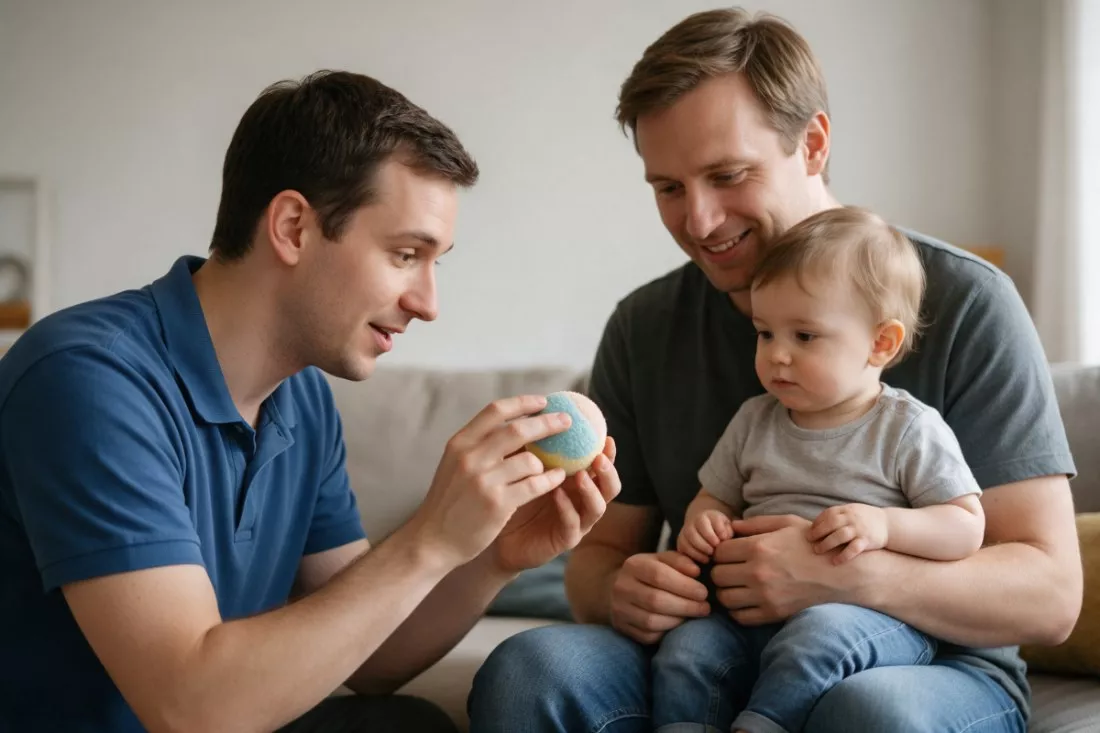
terapeuta podczas wizyty domowej u rodziny

⇑Early Childhood Development Support and Family Assistance at UJD

Language: Polish Studies in Polish
Subject area: teacher training and education science
University website: www.en.ujd.edu.pl

⇑Test: sprawdź czy Wczesne wspomaganie rozwoju dziecka i wsparcie rodziny to studia dla Ciebie

terapeutka bawi się z maluchem i mamą

10 pytań · dwie minuty

1. Rodzice dwulatka martwią się, że syn prawie nie mówi i nie reaguje na imię. Jak prowadzisz pierwszą rozmowę?

2. Czy przekonuje Cię, że najwięcej dla rozwoju małego dziecka mogą zrobić jego rodzice w codziennych sytuacjach?

3. Prowadzisz zajęcia z trzylatkiem, który nagle odmawia współpracy i płacze. Co robisz?

4. Mama dziecka z niepełnosprawnością przyznaje, że jest wyczerpana i nie radzi sobie z emocjami. Jak reagujesz?

5. Jak oceniasz pracę w zespole kilku specjalistów — np. logopedy, fizjoterapeuty, psychologa i pedagoga?

6. Czy lubisz pracę z najmłodszymi — niemowlętami i maluchami, które jeszcze nie mówią?

7. Planujesz zajęcia dla dziecka, które unika dotyku i źle znosi głośne dźwięki. Jak je przygotowujesz?

8. Odwiedzasz rodzinę w domu, bo tak jest lepiej dla dziecka. Jak się w tym odnajdujesz?

9. Rodzice pytają, po co zaczynać terapię tak wcześnie, skoro dziecko może z tego wyrosnąć. Co odpowiadasz?

10. Co najbardziej motywuje Cię do podjęcia studiów podyplomowych „Wczesne wspomaganie rozwoju dziecka i wsparcie rodziny”?

⇑Definitions and quotes

Childhood
Childhood is the age span ranging from birth to adolescence. According to Piaget's theory of cognitive development, childhood consists of two stages: preoperational stage and concrete operational stage. In developmental psychology, childhood is divided up into the developmental stages of toddlerhood (learning to walk), early childhood (play age), middle childhood (school age), and adolescence (puberty through post-puberty). Various childhood factors could affect a person's attitude formation.
Early Childhood
Early childhood is a stage in human development. It generally includes toddlerhood and some time afterwards. Play age is an unspecific designation approximately within the scope of early childhood. Some age-related development periods and examples of defined intervals are: newborn (ages 0–5 weeks); infant (ages 5 weeks – 1 year); toddler (ages 1–3 years); preschooler (ages 3–5 years); school-aged child (ages 6–11); adolescent (ages 12–17).
Childhood
Lord, give to men who are old and rougher
The things that little children suffer,
And let keep bright and undefiled
The young years of the little child.
John Masefield, Everlasting Mercy, Stanza 67.
Childhood
And he who gives a child a treat
Makes Joy-bells ring in Heaven's street,
And he who gives a child a home
Builds palaces in Kingdom come,
And she who gives a baby birth,
Brings Saviour Christ again to Earth.
John Masefield, Everlasting Mercy, Stanza 50.
Childhood
But still when the mists of doubt prevail,
And we lie becalmed by the shores of age,
We hear from the misty troubled shore
The voice of the children gone before.
Drawing the soul to its anchorage.
Bret Harte, A Greyport Legend, Stanza 6.

Contact:

Waszyngtona str. 4/8
42-200 Częstochowa
phone +48 34 378 41 00
StudentNews Group Websites for students and future students — in Poland since 2007, across Europe since 2014. Over 50 websites and millions of users a year (Google Analytics). Studies in Europe Universities in Europe Bachelor’s Master’s Doctorate MBA Study guide Work abroad Travel For partners Advertising and cooperation Reach (online report) Contact advertising@studentnews.eu © 2003–2026 Grupa StudentNews.pl sp. z o.o., Modlnica, Poland
Privacy Policy