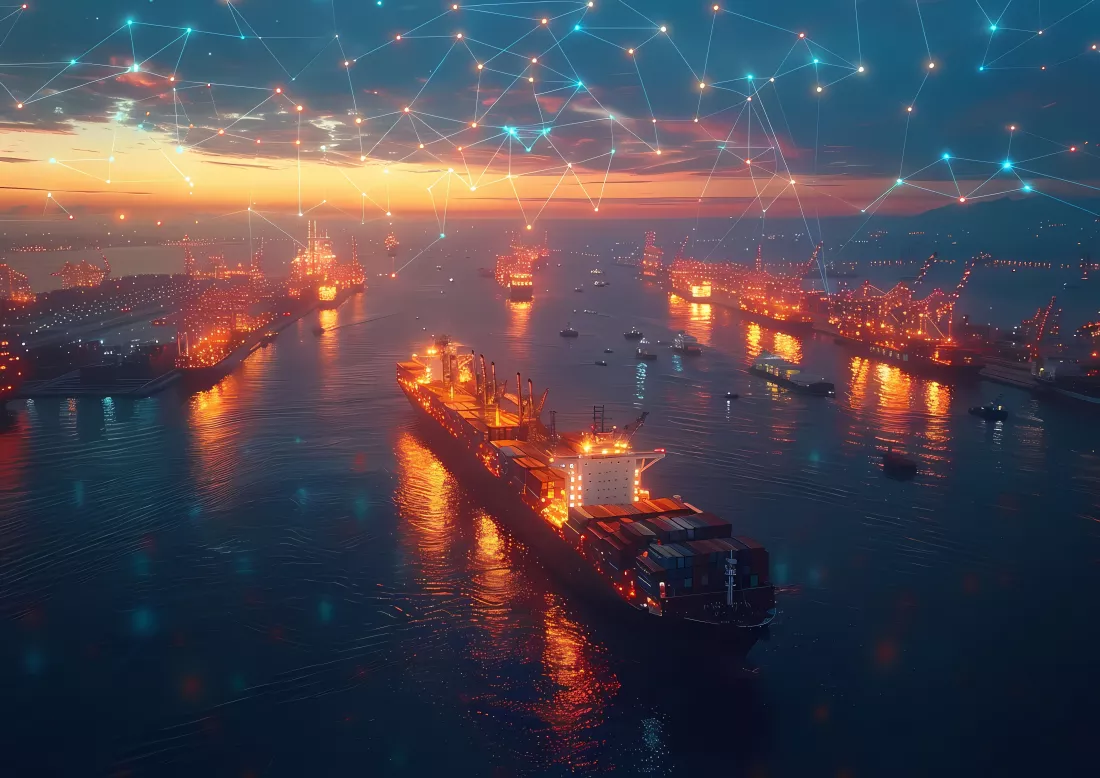
Infrastructure
Infrastructure is the fundamental facilities and systems serving a country, city, or other area, including the services and facilities necessary for its economy to function. Infrastructure is composed of public and private physical improvements such as roads, bridges, tunnels, water supply, sewers, electrical grids, telecommunications (including Internet connectivity and broadband speeds). In general, it has also been defined as "the physical components of interrelated systems providing commodities and services essential to enable, sustain, or enhance societal living conditions."
Management
Management (or managing) is the administration of an organization, whether it is a business, a not-for-profit organization, or government body. Management includes the activities of setting the strategy of an organization and coordinating the efforts of its employees (or of volunteers) to accomplish its objectives through the application of available resources, such as financial, natural, technological, and human resources. The term "management" may also refer to those people who manage an organization.
Transport
Transport or transportation is the movement of humans, animals and goods from one location to another. Modes of transport include air, land (rail and road), water, cable, pipeline and space. The field can be divided into infrastructure, vehicles and operations. Transport is important because it enables trade between people, which is essential for the development of civilizations.
Management
Management is defined here as the accomplishment of desired objectives by establishing an environment favorable to performance by people operating in organized groups. Each of the managerial functions (planning, organizing, staffing, , directing, and controlling) is analyzed and described in a systematic way. As this is done, both the distilled experience of practicing managers and the findings of scholars are presented. This is approached in such a way that the reader may grasp the relationships between each of the functions, obtain a clear view of the major principles underlying them.
Harold Koontz and Cyril O'Donnell. Principles of Management; An Analysis of Managerial Functions. 1968, p. 1
Management
In the long-run the workman may be as necessary to his master as his master is to him, but the necessity is not so immediate.
Adam Smith (1776) The Wealth of Nations Chapter VIII, p. 80
Transport
Transport of the mails, transport of the human voice, transport of flickering pictures — in this century, as in others, our highest accomplishments still have the single aim of bringing men together.
Antoine de Saint Exupéry Terre des Hommes (1939) Translated into English as Wind, Sand and Stars (1939)