Why It's Worth It:
⇑Future-oriented design education
The Design program at School of Form, which is part of the Faculty of Design in Warsaw at SWPS University, offers a unique educational path that focuses on the synergy between various disciplines. The curriculum is built on a strong belief that the future of design lies in effective collaboration between designers, researchers, scientists, and craftsmen. This approach allows students to gain a comprehensive perspective on the role of design in the modern world.
⇑Foundation for creative experimentation
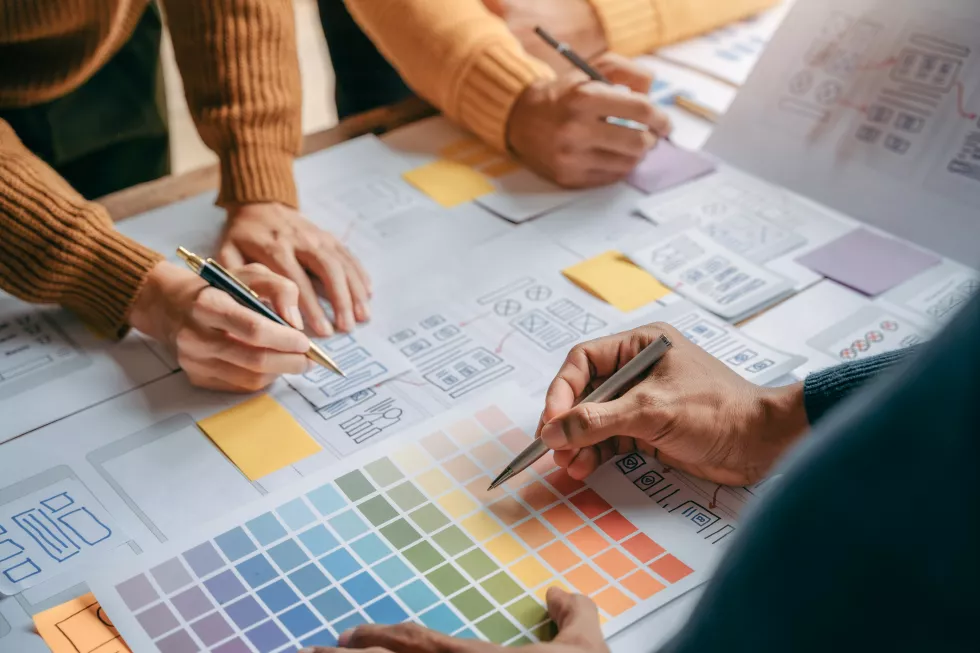
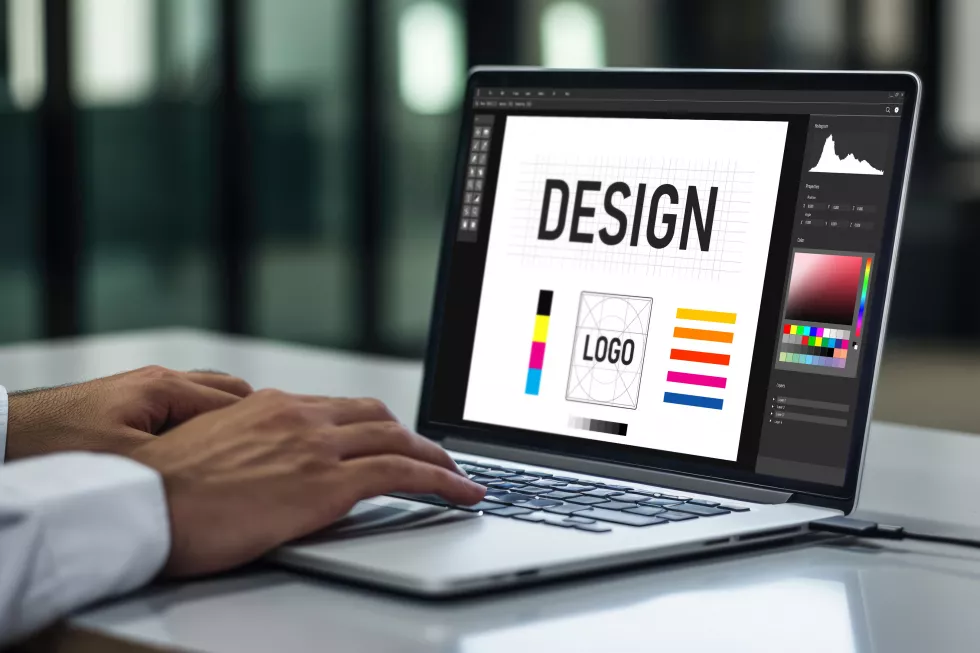
During the first year of studies, participants undergo a foundation program that introduces them to the core of the design process. It is a period of intensive experimentation where students explore both 2D and 3D concepts. By mastering specialized tools and software, they can discover their hidden talents and confirm their creative passions while working in professionally equipped workshops from the very first day.
⇑Specializations tailored to the market
After completing the introductory phase, students choose a specific path that aligns with their professional interests. School of Form offers several specializations, including Message, which focuses on communication design and virtual environments, and Object, centered around product design and material processes. Another option is Space, where students learn to design functional environments that respond to human senses and simplify daily life.
⇑Mentorship from industry practitioners
The faculty consists of acclaimed designers, expert researchers, and experienced educators who act as mentors rather than just lecturers. They share their extensive industry knowledge and technological expertise, ensuring that the education remains relevant to current market demands. This direct contact with practitioners allows students to understand the realities of the professional design world and develop a humanistic sensibility in their work.
⇑Development of a unique design voice
The third year of the program is dedicated to refining individual styles and choosing specific tools or technologies that best suit the student’s vision. This stage of education emphasizes independence and the conscious selection of methods, allowing future designers to define their unique voice. It is a time for deepening expertise in chosen areas and preparing for the challenges of the final graduation process.
⇑Real-world challenges and collaboration
A significant part of the educational experience involves inter-specialization projects conducted with business and community partners. These initiatives allow students to tackle real-world challenges and gain practical experience before entering the job market. Collaborative projects foster networking and teach how to apply theoretical knowledge to solve complex problems in a professional setting.
⇑Comprehensive graduation project
The final year is primarily focused on the graduation project, which combines practical design with a descriptive, theoretical component. Throughout this process, each student is guided by two supervisors who provide expert feedback and support. Completing this comprehensive task prepares graduates to enter the creative industry with confidence, backed by a portfolio that reflects both their technical skills and analytical thinking.